
All articles
Modern Facilities Teams Are Scaling Faster Through Workforce Ownership Of Operations
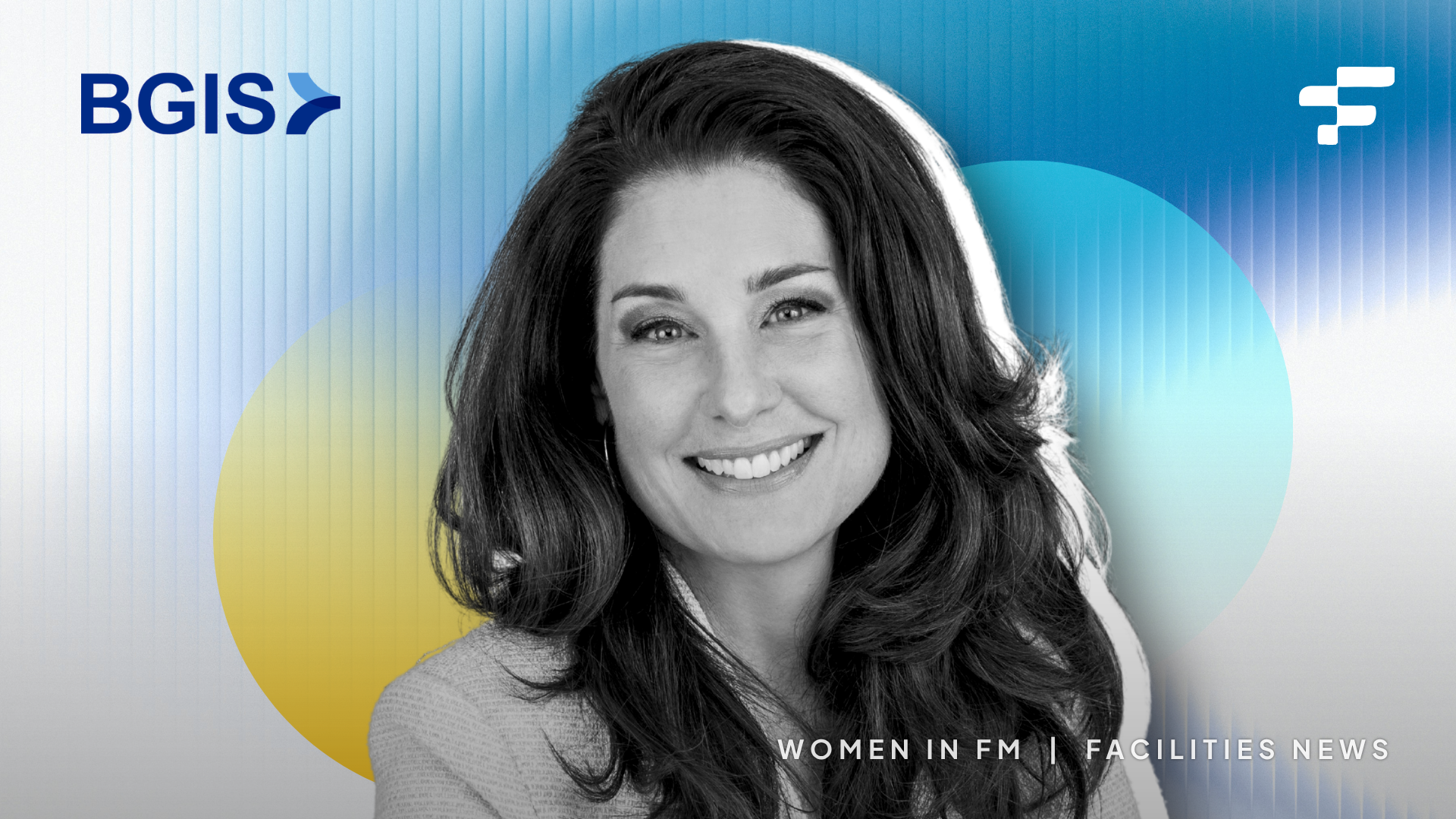
Faith Espinoza, Director of Facilities at Industrious, shares how workforce ownership, curiosity, and upskilling have become the foundation for scaling modern, tech-driven facilities teams.

I advocate for the team to have a seat at the table with design and construction. It’s key they have a voice in what we specify, because we’re the team that owns it for the lifespan of that unit.
Modern facilities teams don’t break at the building level. They break at the people level. As corporate spaces become more technical and experience-driven, the limiting factor isn’t the facilities themselves but whether the workforce behind them is built to grow, adapt, and operate with a clear sense of ownership over the experience those spaces deliver.
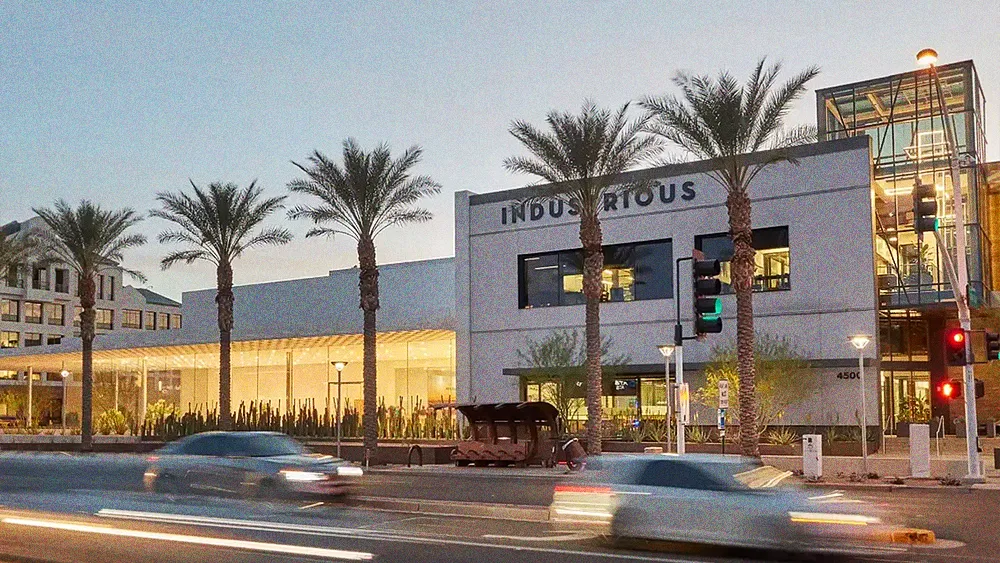
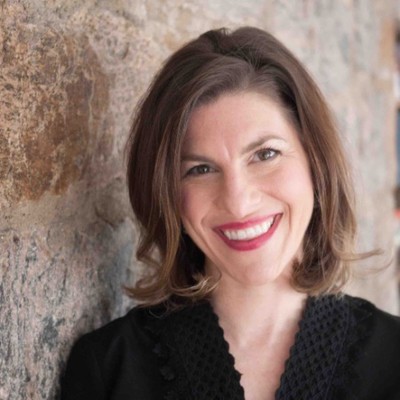
Faith Espinoza, the Director of Facilities at workspace provider Industrious, learned that lesson firsthand while scaling operations from eight locations to more than 200 in eight years. Drawing on a career that includes leadership roles at prominent lifestyle brands like Flywheel Sports and Kate Spade, Espinoza built a framework that gives her facilities team a structural voice in design, construction, and the overall member experience.
Since the market rarely produces ready-made talent for the kind of specialized work Espinoza requires, she stopped waiting for it. Instead, she became a workforce builder, tapping into Industrious’ hospitality-first culture to spot "homegrown" talent already inside the business. "People hired to manage a space already have diverse, customer-focused skill sets," she says. "Some of them naturally lean into learning how things work and want to elevate their careers into a facilities role."
But a training budget only works if people are pushed to use it. At Industrious, leadership actively encourages the team to grow, funding everything from plumbing licenses to public speaking courses. "If you have the will to grow, we will invest in you and help figure out the right path," says Espinoza.
A seat at the table: This investment in people is her direct answer to the industry’s persistent retention problem. And for Espinoza, it starts with visibility and ownership. "I advocate for the team to have a seat at the table with design and construction," she says. "It’s key they have a voice in what we specify, because we’re the team that owns it for the lifespan of that unit."
Tech skills required: That sense of ownership helps the team keep pace with the industry’s biggest shift. "When I first started in my career, technology and facilities were in their own separate lanes, and now we cross over so much. So much of our amenities are tied to an IP address." On the ground, that reality changes the job itself. "A location manager in Charleston has to be able to troubleshoot everything from the water machine and coffee equipment to the AV systems and Wi-Fi," she adds. "That level of technical know-how simply wasn’t required ten years ago."
Espinoza’s strategy includes defining what her team doesn’t do. Her work is focused on the tricky internal environment of high-rise office spaces, a world away from the seasonal, exterior maintenance common in retail.
Interior motives: This focus on interiors—and not exteriors—is the foundation for her entire operational and talent strategy. "Because we are office-based and not a traditional retail store, our needs are very different. I don't have to prepare for much exterior support anymore, like sidewalks or parking lots, and I don't miss it. The focus has shifted to different challenges. Our priority is making sure our spaces are prepared from an HVAC capacity," says Espinoza.
Modern corporate facilities management is about more than pipes and repairs; it's about empowering people, enabling technology, and shaping operational excellence in service of the member experience. To keep her team up to speed, Espinoza fosters a culture of deep curiosity. She believes it's the one trait necessary for success in a field that's always changing.
"I don’t expect my team to be master engineers, but they need to know enough to walk the walk and talk the talk, allowing them to effectively troubleshoot and understand the product," she concludes. "The single best trait for anyone in facilities management is curiosity. If you lose your curiosity, you’re dead in the water, because that’s when you stop having fun and you’re not learning anymore."
.webp)