
All articles
Disconnected, Tech-Driven Workplaces Push Facilities Leaders Into Cultural Leadership
At CORE Workplace Operations, D. Scott Haynes sees facilities leaders stepping up to restore belonging in workplaces shaped by AI and automation.

Facilities management has evolved into supporting culture. If every interaction becomes purely transactional because of AI, we lose the human connection that actually gives value to the service.
AI-driven efficiency has stripped friction from the workplace and, in the process, stripped out moments of human connection. As automation expands, culture risks becoming transactional and employee well-being an afterthought. Facilities management now sits at the center of that tension. The teams once measured by uptime and cost control are emerging as the stewards of belonging, resilience, and day-to-day human experience inside the modern enterprise.
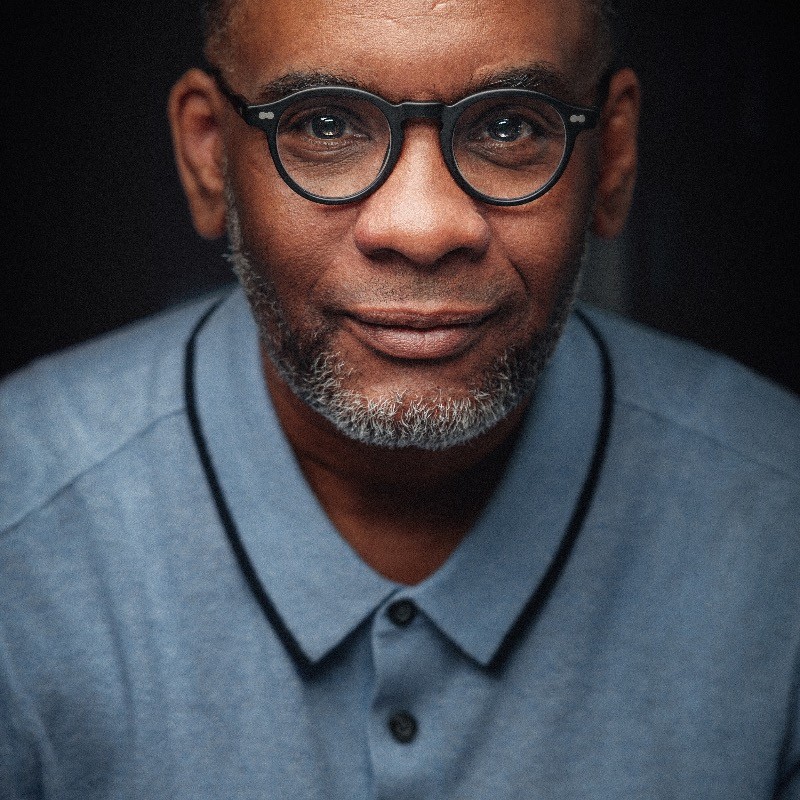
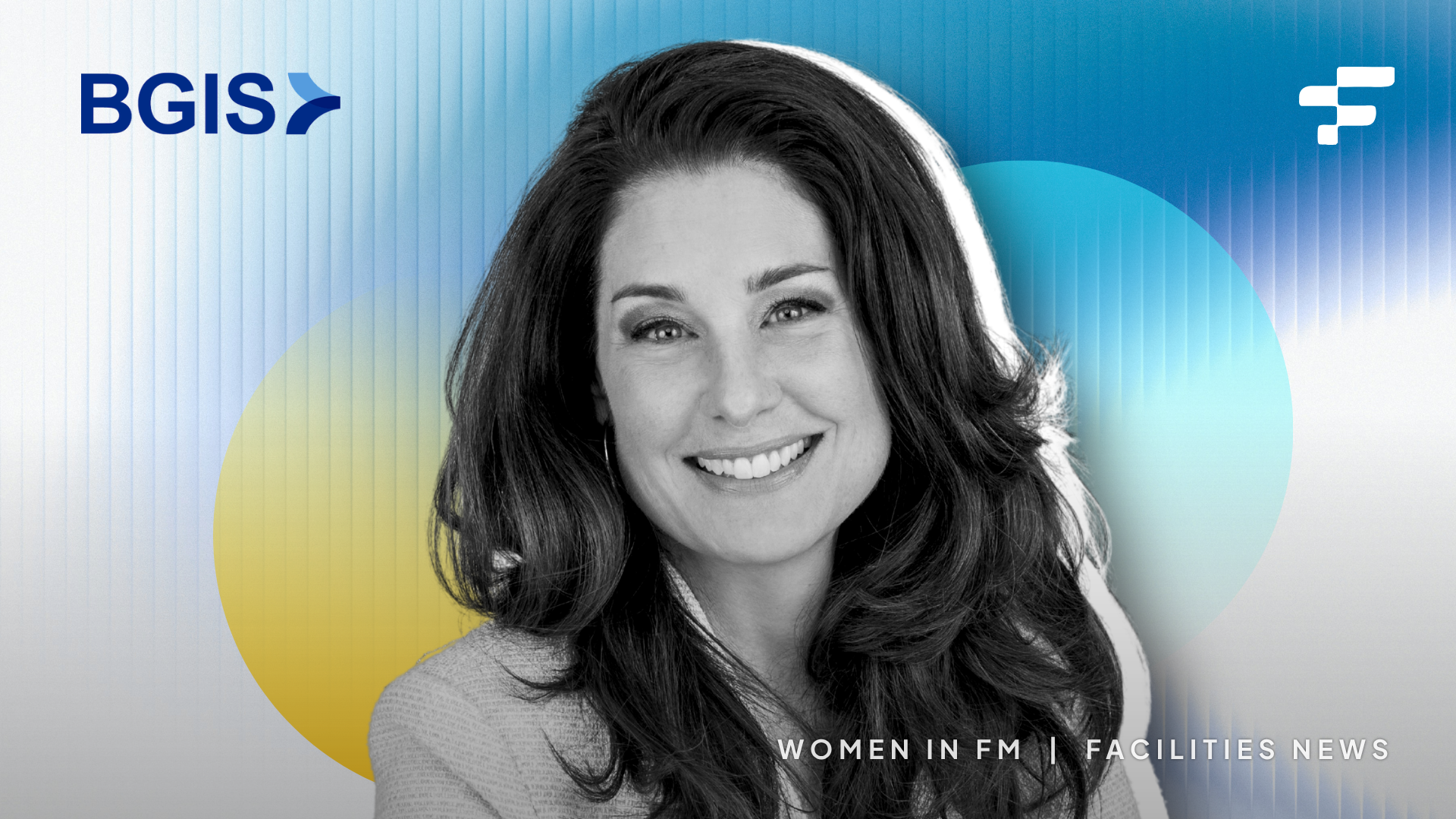
D. Scott Haynes, Facilities Management Consultant at CORE Workplace Operations, is a facilities and workplace operations leader who doesn't just theorize about this change. He lives it. With over 15 years of experience managing major global portfolios, his credibility is built on tangible results. He has delivered cost savings for giants including $3.1M at Dollar Shave Club and $1.7M annually at The Walt Disney Company, mastering the balance between hard data and human connection. For Haynes, the industry is at a key inflection point, and he believes its future value lies not in operational perfection, but in its capacity to rebuild community.
“Facilities management has evolved into supporting culture. If every interaction becomes purely transactional because of AI, we lose the human connection that actually gives value to the service,” says Haynes. In his view, the workplace cannot run on efficiency alone. Without intentional human touchpoints, even high-performing environments begin to feel anonymous, and that erosion shows up in engagement, retention, and trust.
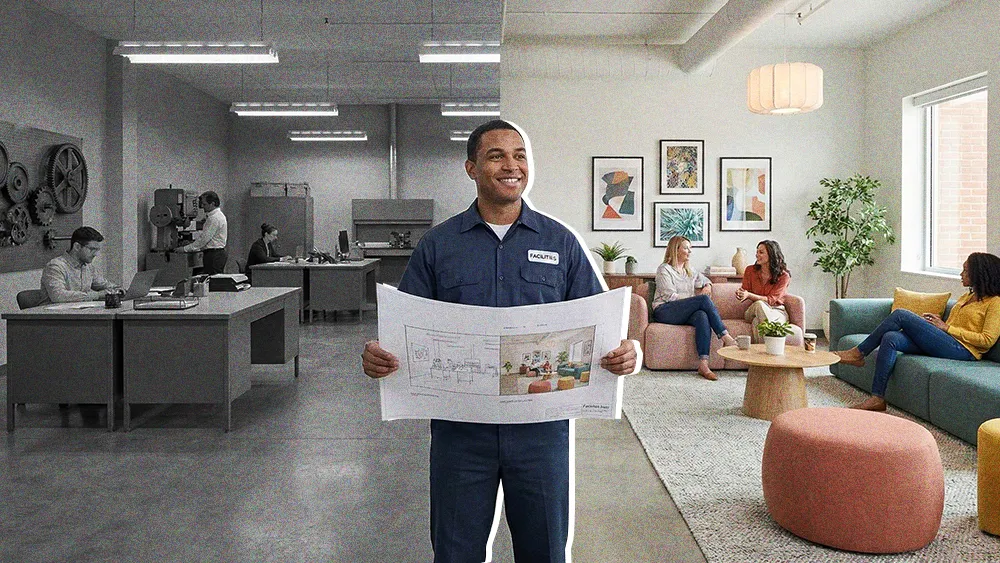
Then and now: "When we first started, we were the people that pointed you to your desk. The next time we’d interact with you, you were either getting a promotion or getting separated from the company. We gave you a box or told you we'd mail your things. That was it." This evolution, Haynes says, is a direct response to the erosion of human connection in an increasingly automated world. In this new environment, the old, impersonal function is often insufficient, creating a void that he believes facilities teams are now uniquely positioned to fill.
Wilson, we have a problem: "My biggest takeaway from the movie Castaway was that human beings were never meant to be alone; we were meant to interact. But we're losing that as we make everything AI. If every interaction becomes purely transactional, how do you put any value on that service? It becomes like the DoorDash driver who drops off food at the front door and you never see them. A brief, friendly interaction, like asking how someone’s day is going, enhances the service, and that's something we have to be mindful not to lose."
This new, cross-functional role that facilities can play is vital, especially when other departments have grown more siloed. Haynes details the practical, actionable strategies for putting what he calls a "hospitality mindset" into practice.
A compassionate bridge to HR: "HR and the people teams have sometimes moved closer and closer to legal, so they've gotten away from dealing with people. We have to be looking for the unspoken signs, and more of the language of people, and just bridge that gap for HR."
Soft skills, hard results: "The evolution of facilities management requires us to adopt more soft skills, specifically active listening and empathy. That is what will ultimately drive our industry forward." He recommends simple, high-impact actions like walking the floors to "fortify culture" and proactively connecting with remote employees, turning the facilities team into "the conduit to making sure that they stay connected."
Become a cultural activator: Haynes says facilities teams can foster genuine, meaningful belonging by moving beyond superficial perks to develop support systems that connect employees' lives directly to the company. He suggests creating specialized groups based on individual needs, such as affinity groups for veterans or new mothers. Bringing in outside thought leaders to speak with these groups helps create a habit of understanding that "the company and your life are connected in a way more than just a paycheck."
To Haynes, the failure to adopt this human-centric approach has a measurable cost to culture. He believes the transactional nature of modern work erodes the very language of loyalty, a symptom of a deeper organizational disconnect. "People talk about work less in terms of 'we.' That word used to mean a sense of belonging, but now many people just see themselves as individual contributors. There's a broken bond there that we have to reestablish."
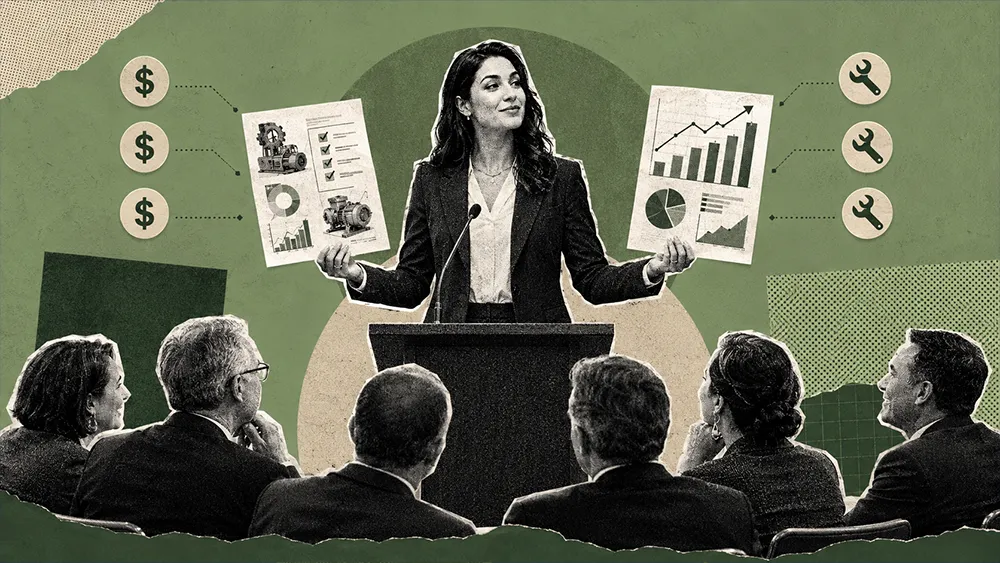
A vital last step is connecting this human-centric strategy to the C-suite. While tools like predictive AI agents can drive efficiency, Haynes says that the core challenge is often a leadership disconnect that overlooks human outcomes in favor of abstract metrics. "We have to get this message up to the C-suite, because they are very disconnected from the rank and file. Many of them just don't get it. They're focused on holding up to SLA standards from an old contract that doesn't even make sense. It's not based on real-world applications. It's based on a lot of stuff on paper."
.webp)