
All articles
UNICEF USA Facilities Teams Boost Performance with Non-Traditional Skills, Diverse Experience
At UNICEF USA, Maria Ruiz turns everyday experience into operational strength, guiding teams to adapt and excel in modern facilities management.

Facilities management isn’t just about fixing the table anymore. It’s about building the table, setting it, and earning your seat in the strategic conversation every single day.
Talent defines the future of facilities management. The leaders who elevate organizational performance are the ones who recruit, develop, and trust people with diverse experiences and sharp problem-solving instincts. While they manage daily operations and guide decisions on space, safety, and cross-department collaboration, their real advantage lies in building teams that can adapt to hybrid work, aging infrastructure, and unexpected crises without losing momentum.
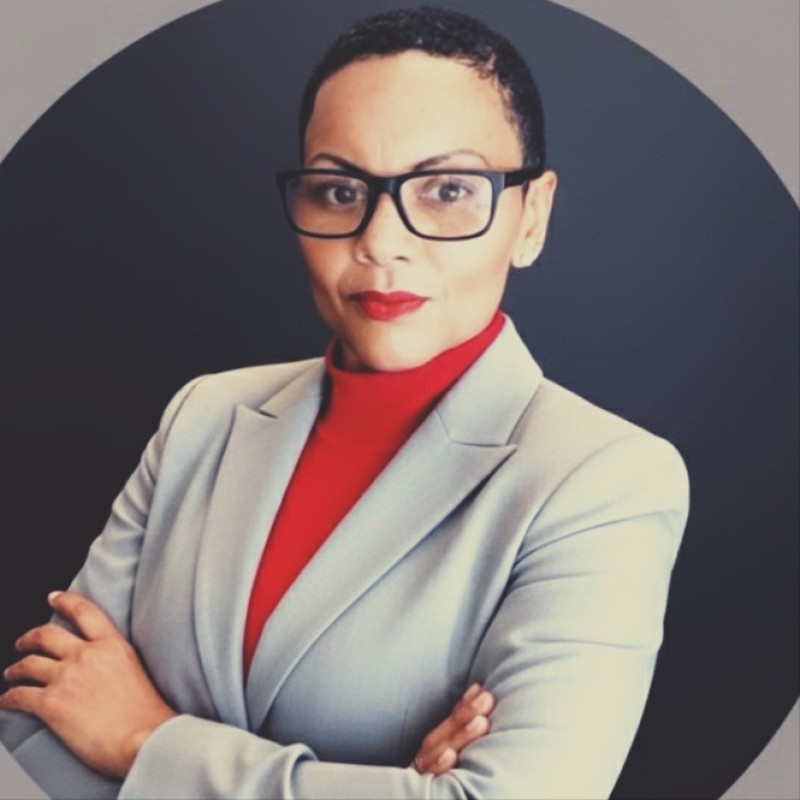
Maria Ruiz, Facilities and Operations Manager at UNICEF USA, one of UNICEF's national committees, exemplifies this approach. She partners with finance, HR, and IT leaders to optimize spaces while deliberately cultivating her team’s capabilities, showing that strong facilities leadership fuels organizational impact. "Facilities management isn’t just about fixing the table anymore. It’s about building the table, setting it, and earning your seat in the strategic conversation every single day," she says.
Home-field advantage: Non-traditional experience often shapes how facilities leaders solve problems and manage risk. Drawing on her early career, Ruiz recalls how a supervisor helped her recognize that habits formed outside the workplace carried real professional value. "I remember my boss pointing out that the detail-oriented skills I learned as a young mom were valuable at work. That’s what started me appreciating that what I do at home matters, and that I can transfer those skills to my career," Ruiz says. Connecting everyday experience to operational performance helps leaders surface overlooked strengths and build confidence in newer team members while reinforcing that judgment and attention to detail develop in many environments, not just formal training paths.
Generational edge: Diverse teams are resilient teams because they expand the collective knowledge base and challenge blind spots before they become risks. In facilities, where legacy systems meet emerging technology and shifting workplace expectations, that range of perspective becomes a strategic asset. "I have a generationally diverse team. We have folks that are 20 and we have folks north of 50, and they all bring wonderful perspectives."
In facilities, surprises are routine, from sudden maintenance failures to last-minute space changes and compliance issues. Treating disruption as an expected variable rather than an exception allows teams to plan with flexibility built in. "Reactivity is always going to happen. We have to bake that into how we work and keep both a beginner mindset and a leader mindset at all times." Ruiz encourages her staff to stay curious enough to ask questions and confident enough to make decisions, creating an environment where adaptability becomes a practiced skill, not a stress response.
Coaching culture: Daily routines turn soft skills into tools for team growth and problem-solving. Ruiz uses consistent check-ins, site walks, and hands-on guidance to model leadership and accountability. "I want them to be leaders, so I treat them like leaders," Ruiz says. These practices create a safe space for team members to pause, analyze challenges, and propose solutions.
The future of facilities management depends on leaders who put their teams first, even during constant operational challenges. Human capital, not just physical infrastructure, is the cornerstone of empowered teams. "My team has taught me more than I’ve taught them," Ruiz says, highlighting how humility and mutual growth create stronger, more adaptable teams ready to navigate whatever challenges arise.
.webp)