

All articles
Retail Facilities Teams Gain Ground As Leadership Development And Tech Drive Scale
Adam Lukoskie, Executive Director of the NRF Foundation and Senior Vice President of the National Retail Federation, explains how workforce development, internal mobility, and technology are helping retail facilities leaders shift from being reactive to proactive, scalable execution.
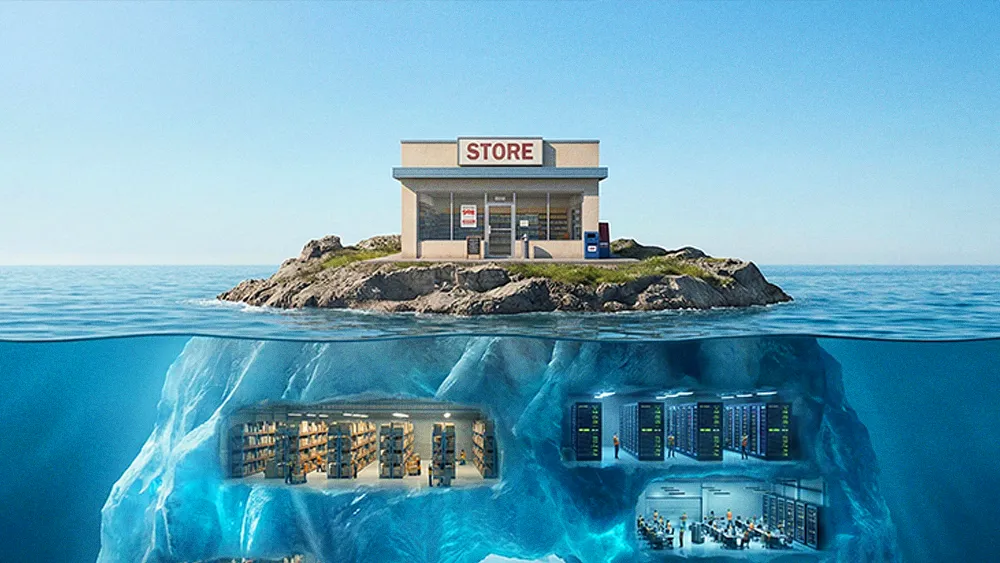

The retailers that scale smoothly are the ones investing in systems and training that let facilities leaders focus on keeping stores running reliably instead of getting bogged down in reactive firefighting.

Retail facilities teams are under pressure from every direction. Stores and distribution centers still have to run flawlessly, even as labor costs climb and competition for these roles increases. The retailers gaining ground are the ones acting fast, strengthening leadership development, using technology with intent, and building talent pipelines that keep hard-won operational knowledge in the business.
We interviewed Adam Lukoskie, the Executive Director of the NRF Foundation, the workforce development arm of the National Retail Federation. He leads the organization tasked with training and credentialing, university partnerships, and programs designed to build the leadership talent the retail industry needs, with work that spans corporate, store operations, supply chain, and facilities. That position puts him in direct conversation with retailers who are rethinking how technology, training, and leadership development show up on the ground.
"The retailers that scale smoothly are the ones investing in systems and training that let facilities leaders focus on keeping stores running reliably instead of getting bogged down in reactive firefighting," says Lukoskie. The focus starts with technology. Across the industry, AI and workforce platforms are absorbing the administrative tasks that have traditionally consumed facilities and store leaders.
Let leaders lead: Lukoskie frames the role of technology in plain operational terms. "Technology should allow a facilities leader to do what they’re supposed to be doing, which is being the face of the brand for associates, customers, and the community," he says. "That means stripping away administrative work, and it also means proving impact. Any solution has to show up on the bottom line. The question is how it frees up the right people to focus on execution, coaching, and keeping stores running."
Educating job seekers: Part of the challenge is identifying the various career pathways within the retail industry, Lukoskie admits. In recent years, the NRF Foundation has worked to spotlight the many different retail career pathways, specifically with high schoolers and job seekers. “Whether it’s through our supply chain credentials to showcase retail jobs in supply chain and logistics facilities or our recent Store Leader Spotlight, which celebrated store leaders who exemplify their brand, the options are limitless to find success in retail,” he says.
Building the bench: Retailers doing this well treat leadership development as a core operational strategy. Lukoskie describes brands building store leadership academies, running department and district rotations, and using technology to identify who has the skills and readiness for the next role. "Brands are working hard to retain that talent and strengthen that bench, because they know how competitive these roles are."
The NRF Foundation is supporting this pipeline directly. Beyond its RISE Up training and credentials program, the organization offers a $10,000 scholarship for students interested in store and facilities leadership, and an emerging leaders program for early-career store and supply chain managers. Now in its fourth year, the program was originally designed for corporate-track talent, but retailers also saw this as an opportunity for their store leaders and facilities managers.
Empathy over spreadsheets: When it comes to the skills that matter most, Lukoskie says the answer surprised him. It's not P&L management or inventory systems. "What helps people stand out is being able to manage people with empathy. Your associate base needs and expects a wide variety of things from their leader, and your job as a leader is to support every associate." Formal leadership training remains scarce. "We’ve seen a growing demand for people management training as part of the portfolio of professional development offerings from retailers.”
That gap is where the greatest opportunity exists. Retailers that invest in coaching, mentorship, and structured development are building the kind of operational resilience that technology alone cannot deliver. As the industry evolves faster than most organizations can train for, Lukoskie sees one group at the center. "Facilities leaders are the ones helping execute on the ground, from implementing new technology to training their teams to responding to external factors," he says. "The importance of this role to the retail industry cannot be overstated."

.webp)