

All articles
Inside the 'Internal Consultant' Mindset Shift Helping Top Facilities Leaders Shape Daily Decisions
John Lembo, Vice President of Facilities Management at RiverSpring Living, explains how the role is shifting toward a more strategic, consultant-driven model.


Facilities management as a whole is probably one of the most diverse careers anybody could enter into. One day I'm negotiating a snow removal contract, the next day I'm doing a pro forma for a cogeneration plan.
Midway through a conversation about corporate energy strategy, the phone rings. A building transformer has failed. The facilities executive on the other end is suddenly coordinating a backup generator, managing an insurance claim, and preparing to return to the discussion—a typical day. For modern workplace managers, responding to operational disruptions while managing ongoing responsibilities is a constant reality. That dual demand reflects a broader transformation, as facilities management becomes a more strategic, technology-enabled discipline requiring leaders to operate with the mindset of internal consultants.
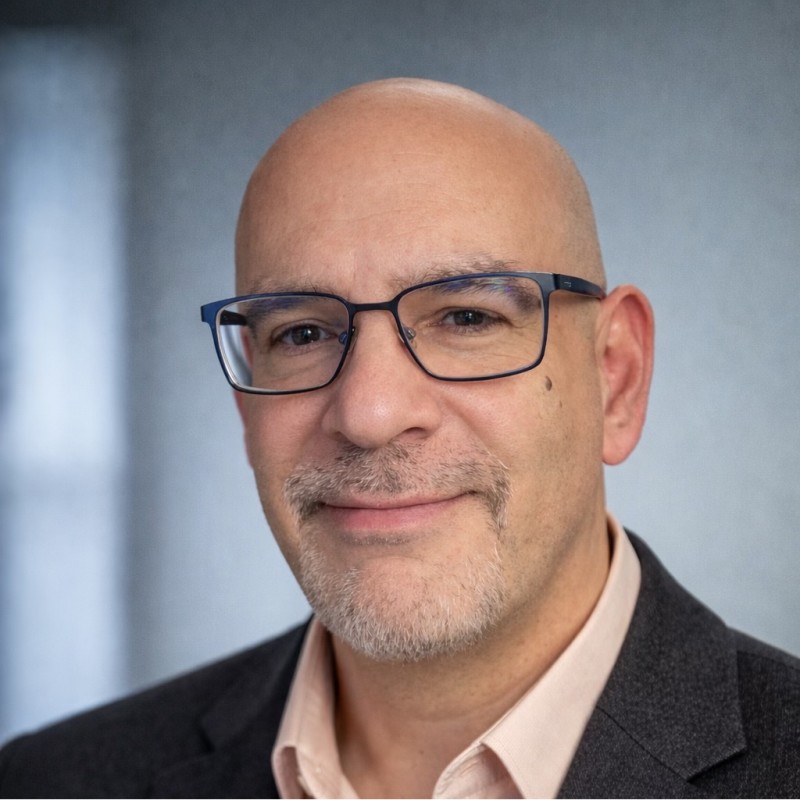
Handling that blown transformer is John Lembo, Vice President of Facilities Management at RiverSpring Living. A Certified Facility Manager and LEED AP with more than 35 years of experience in the built environment, he brings a deep operational and strategic background to the role. His experience includes serving as Global Head of Facilities at WeWork, where he managed more than 200 locations worldwide, as well as a senior energy role at Starwood Hotels & Resorts. Today, he oversees a 32-acre flagship campus while advising organizations through his consulting practice. Operating at that scale requires a high degree of agility. It also reflects how facilities leadership has evolved into a more strategic, consultant-like function within the business.
"Facilities management as a whole is probably one of the most diverse careers anybody could enter into. One day I'm negotiating a snow removal contract, the next day I'm doing a pro forma for a cogeneration plan," says Lembo. That range now extends well beyond traditional operations. Workplace management requires fluency across human experience, property strategy, and leasing dynamics, often all at once. In practice, that means stepping in to resolve issues before formal processes can catch up. Lembo refers to this pragmatic, action-first approach as "vigilante management."
Many paths, one discipline: Working this way demands the ability to move between technical, regulatory, and financial decisions in real time. It also highlights how varied the pathways into the profession can be. Facilities leadership draws from a wide mix of backgrounds, which influences how the role is approached day to day. "My background is mechanical engineering and I got into facilities management because I love buildings, and I'll talk to another facilities manager who may have a background in art appreciation, an economics background, or a library manager," notes Lembo. "We come from all different walks of life. Once you're in, then the rubber meets the road."
In a service-oriented environment, breakdowns are inevitable. The difference lies in how leaders respond. Top executives treat these moments as opportunities to solve problems in real time while keeping stakeholders aligned. That takes composure, along with the ability to translate complex technical issues into clear, actionable insights for the C-suite. "You're going to have to convey complex points to laypeople that require a lot of technical understanding," notes Lembo. "If you can take a complex subject matter and make it simple for people so they can understand it and make decisions based on it, that's a huge skill."
Time, reclaimed: Surviving an inbox of thousands of emails a month takes serious leverage. For Lembo, the solution has been generative AI. As AI reshapes workflows and helps leaders do more with less, some facility executives are turning toward smart, data-driven facilities and building automation systems. Used as a practical time-saver, AI can ease the administrative load and help executives carve out time to operate as internal consultants. "If I'm writing an RFP for a generator replacement, it may take me three days. I will write a very detailed prompt, put it into ChatGPT, and it'll spit it out formatted," he says. "I can essentially streamline the process and compress time frames using it, which means that I get more done with less."
Modeling on demand: Lembo also uses AI to generate financial models, mirroring how some of his peers are tying AI directly to financial outcomes. Having that data on hand helps reshape the very operational, messy parts of facilities work by making it easier to standardize executive presentations and investment cases. "I can just write the prompts and generate an Excel tool for Internal Rate of Return analysis on a project," he explains. "But I will also double-check everything because it's not perfect."
With more time to step back, Lembo has codified his thinking in an upcoming book, So You Want to Be a Consultant. Structured as a fragmented "desktop companion," it mirrors the on-demand nature of the job, allowing readers to engage with it as challenges arise. The central idea is that many facilities leaders should lean into a subject matter expert role. In Lembo’s view, the role isn't a stepping stone, but a defined career path centered on advising and guiding business decisions. "I call that person the 'seasoned master', the individual who provides support to the rest of the organization," he says. "I'm not necessarily on the C-suite path, but I am a subject matter expert, and I can provide that service to just about anybody in the organization."
For professionals looking to build that level of autonomy, Lembo emphasizes a shift in mindset. He encourages workplace managers to view their role through a consulting lens, redefining their relationship with the organization they serve. Framing the company as a client becomes a practical way to maintain perspective and avoid burnout. "If you're working for a large corporation, you want to think independently as a consultant," he concludes. "Look at the organization as your customer, and your fee for services is your salary and benefits. It's really about consulting being a mindset, not just a vocation."