

All articles
How Fexa’s CCO Uses a ‘People-First’ Strategy to Solve Tough Challenges in FM
Fexa CCO Maranda Dziekonski shares her human-first vision for transforming support into a strategic partnership that empowers facilities teams with adaptive tech.


At the end of the day, customer success isn’t just about managing accounts and facilities management isn't just about managing assets. It’s about empowering people.
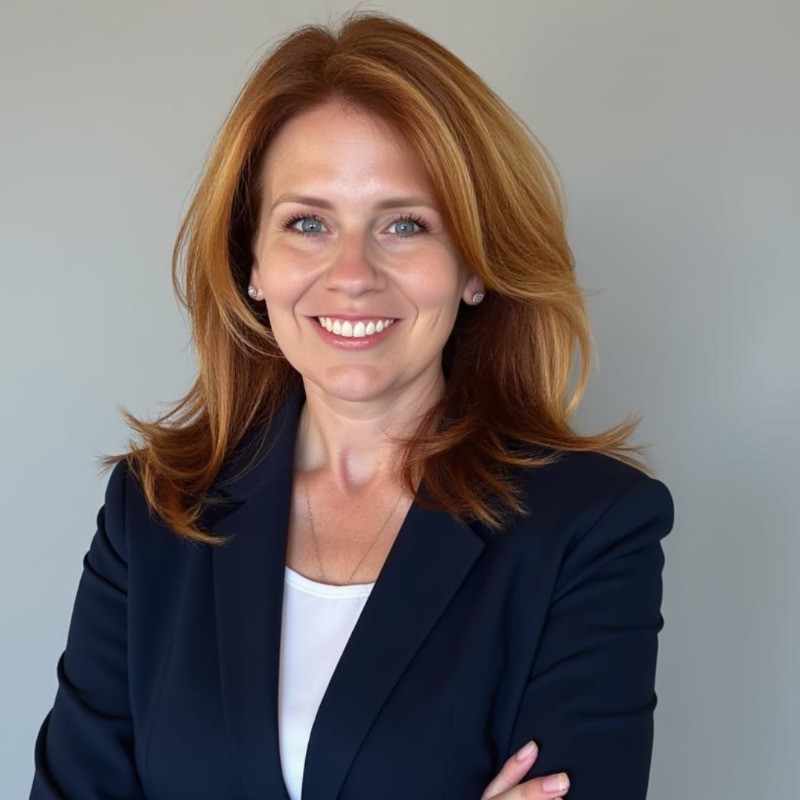
Facilities management is a balancing act of urgent reactive issues and long-term operational health. However, the old, reactive way of thinking is giving way to proactive partnership. This evolution is driven by familiar industry challenges, like tighter resources and rising operational demands. Now, leading facilities management and customer success teams are redefining themselves as consultative partners, a role that demands deep empathy and highly adaptive tools to support the overworked people keeping operations running.
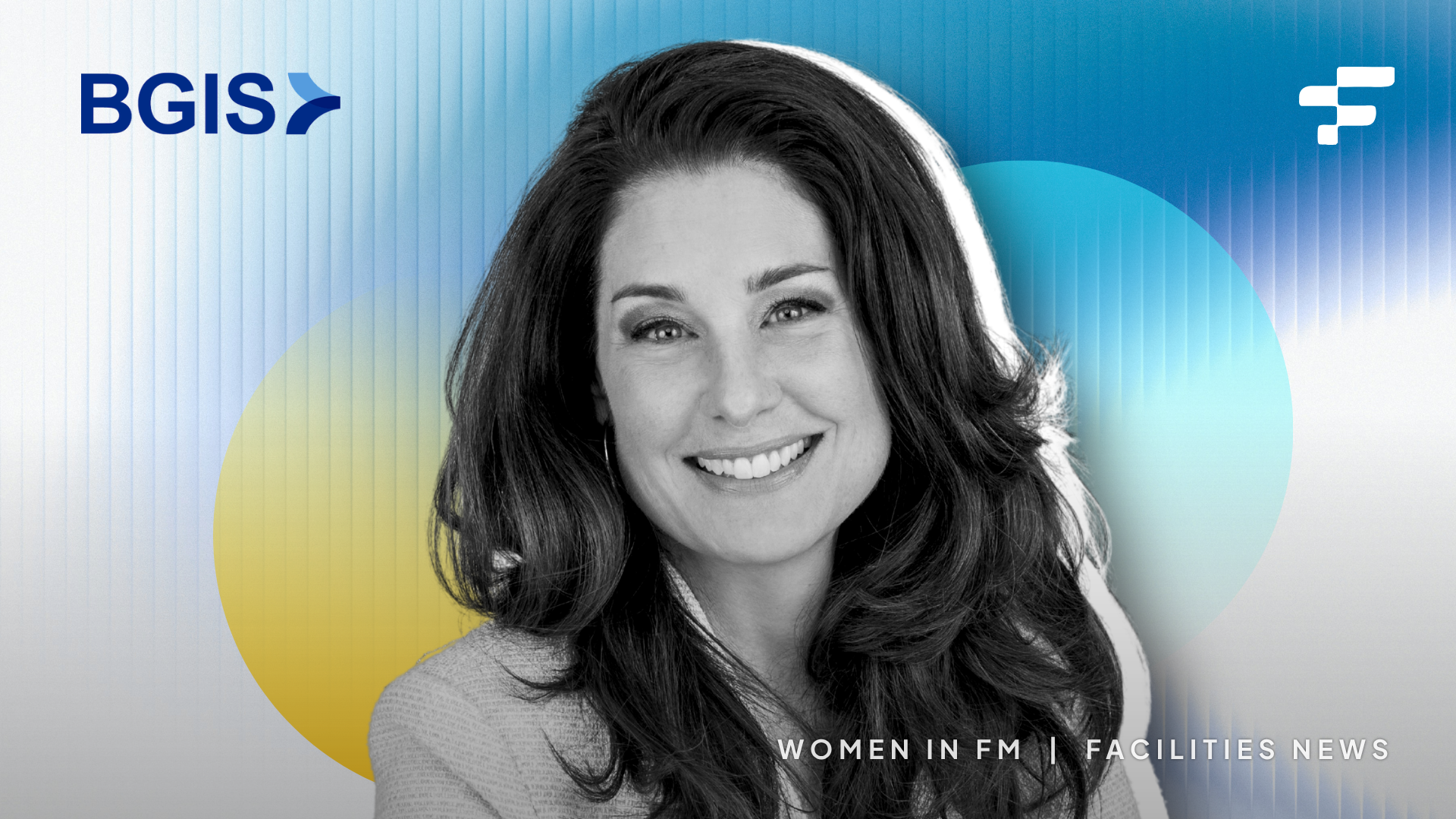
We spoke with Maranda Dziekonski, the Chief Customer Officer at Fexa, to understand what this new model of partnership looks like in practice. A multi-year recipient of the "Top 25 Customer Success Influencer" award and an advisory board member for the University of San Francisco's Customer Success MBA Program, Dziekonski's track record of building and scaling post-sales organizations at high-growth companies like HelloSign (acquired by Dropbox) and Lending Club gives her a unique perspective on what it takes to build truly modern support functions.
According to Dziekonski, this new model is grounded in a simple, human-first philosophy that mirrors a larger industry conversation around creating people-first cultures. "At the end of the day, customer success isn’t just about managing accounts and facilities management isn't just about managing assets. It’s about empowering people," she says.
Her approach is built on four distinct pillars: listening to understand a customer's goals, meeting them with empathy for their pressure-filled reality, bringing clarity to cut through the noise, and acting as accountable partners who own outcomes. These principles ensure that facilities teams receive support that truly understands their unique pressures, simplifies complex processes, and delivers measurable results.
Your workflow, your rules: But a philosophy is useless without the right tools, especially when customers are tasked with doing more with fewer resources. This is where the partnership model moves from theory to practice. For Dziekonski’s team, a key step is providing technology that is flexible enough to adapt to a customer's established methods, addressing the industry's demand for more integrated, intelligent systems, a key aspect of smart building management trends. "Customers aren’t having to plug into something and change their entire operations. We partner with them to construct workflows that make sense," she explains.
Beyond the break-fix: That adaptability allows her team to help clients tackle more sophisticated challenges beyond simple maintenance, like maintaining brand consistency across a retail footprint. In her model, true partnership begins on day one with a consultative process that includes hands-on change management, making sure teams are equipped for sustained, long-term success. "We’re seeing our partners treat their stores like a product, especially in the luxury brands we work with. It’s not just about fixing leaks; it’s about whether the store demonstrates the brand and personality," she observes.
To prevent a loss of context during the transition from implementation to ongoing support, Dziekonski’s model is structured so the customer journey becomes a continuous, unified experience. "Implementation is just a phase of the lifecycle, but it’s the beginning of the partnership. After implementation, that baton moves from the implementation team to the customer success team. We pick up that change management and partnership baton from there."
On speed dial: Dziekonski’s ultimate vision is for the customer success function to evolve into an indispensable thought partner—the first call a customer makes when planning for the future. "I want our team to be the people our customers run to first. Not just when something goes wrong, but when they’re planning what’s next, like process changes, technology shifts, or figuring out new ways to drive efficiencies," she stresses.
From support to strategy: It’s a forward-looking stance that’s especially relevant as many in the industry begin to prepare for the transformative impact of AI and other emerging technologies. "For my team, that means we have to continue to grow into thought partners. We need to be experts who understand the realities of working in facilities and can translate that into practical guidance that helps our partners evolve and grow," she says.
At its core, her approach seeks to close the gap between the technological and the human. For Dziekonski, the ultimate goal is to combine meaningful technology with human relationships. As facilities managers navigate increasingly complex needs, her vision offers a blueprint for how strategic customer partnerships can transform operations, empower teams, and ultimately, drive success.
.webp)