

All articles
Facilities Teams Turn Preventative Maintenance Into Predictable Time and Capital Control
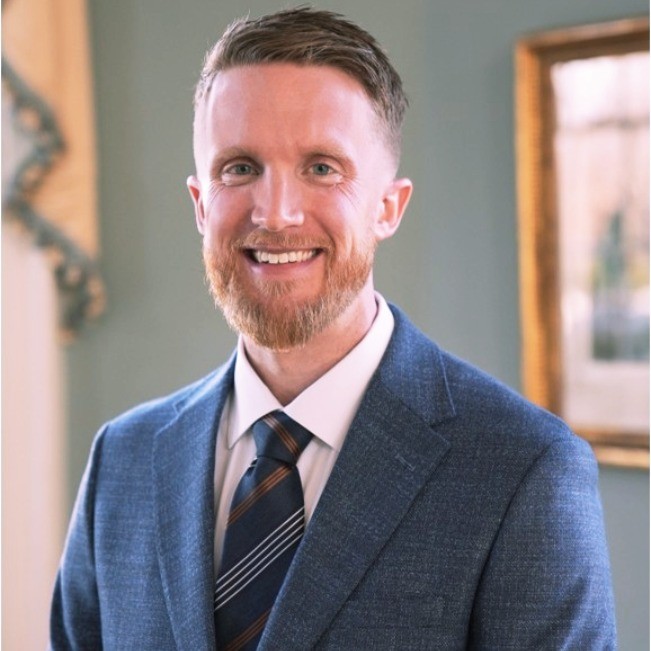
Tony Sibenaller, Director of Facilities Maintenance at Farmington Country Club, says facilities teams get ahead by reclaiming time through clear baselines, smarter scheduling, and transparent communication.
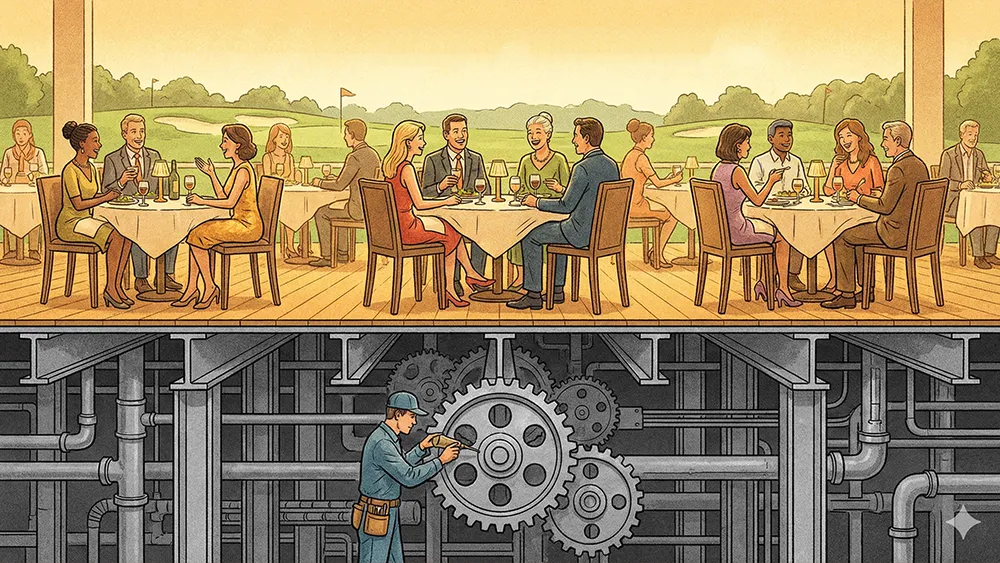

The most hospitable thing we can do in maintenance is provide comfortable spaces where people don’t even notice us. It’s the behind-the-scenes work that defines the experience.
Everyone agrees proactive maintenance is the goal. Fewer emergencies, longer-lasting assets, and more predictable operations are baseline expectations in modern facilities work. The real obstacle is time. When teams are stretched thin by daily demands, preventative work is often the first thing to get pushed aside, despite it being the one thing that would reduce those pressures over time.
For Tony Sibenaller, Director of Facilities Maintenance at Farmington Country Club, that tension between urgency and foresight has been a constant throughout his career. From hospitality to municipal facilities to multi-site residential property management, he has seen how reactive work steadily chips away at a team’s ability to plan ahead. Today, his approach centers on treating time as a strategic resource that can be reclaimed through clear baselines, smarter scheduling, transparent communication, and disciplined use of existing technology.
"The most hospitable thing we can do in maintenance is provide comfortable spaces where people don’t even notice us. It’s the behind-the-scenes work that defines the experience," Sibenaller says. That mindset shapes how he approaches proactive maintenance. For Sibenaller, progress does not start with new tools or bigger budgets. It starts with understanding what is already in place, earning back time where possible, and clearly explaining how day-to-day work connects to long-term control.
Establish a true baseline, then earn time back: "As a building nerd, you evaluate a building by seeing what condition the equipment is in and taking that as your baseline," Sibenaller explains. He pairs that hands-on assessment with input from tenured technicians and historical records to understand what’s been done and what hasn’t. With that baseline in place, the focus shifts to practical workflow changes and smart use of existing technology. By scheduling work during quieter periods and using technology as extra eyes, his team is able to reclaim time for preventative maintenance.
But these tactics only work if the team is on board. The true backbone of the transformation, Sibenaller says, is a nuanced approach to leadership. He gets buy-in by speaking the right language to the right people. This kind of forward-looking facilities leadership is a key factor that enables a team to evolve, especially as new technology transforms facilities management operations.
Dollars for execs, time for techs: He also tailors how those improvements are communicated, depending on who he’s talking to. "Executives see the dollar impact, but for the maintenance team, the real benefit is getting time back," he says. However, communication styles vary more by experience than by job title. Seasoned technicians tend to prefer direct, no-frills explanations of the goal, while others often want to understand the "why" behind a change and see the details that support it. "The communication is based more on tenure than on business executive or technician status."
On our terms: Sibenaller stresses a fully honest approach, beginning with a clear 30,000-foot view of the impact. By connecting preventative work to fewer reactive emergencies, he helps teams see how those savings flow back into the department. The result is greater control over capital planning and the ability to replace equipment on a planned timeline rather than in crisis mode. "It allows us to replace equipment on our time versus its time," he says.
At the core of Sibenaller’s approach is radical transparency. By clearly linking day-to-day maintenance work to long-term outcomes, he helps his team understand why preventative efforts matter and why the extra steps are worth it. That clarity shifts the function of facilities from reacting to problems to actively shaping outcomes, with teams gaining real control over how and when assets are replaced.
For leaders stuck in a reactive cycle, his advice is practical and immediate. Make proactive work visible across the organization, and just as importantly, earn internal buy-in by clearly explaining the why behind it. Show the daily benefits, connect them to long-term planning, and be honest about the tradeoffs. When teams see that path clearly, the payoff becomes tangible. "That’s what gives teams buy-in and allows us to build our future when it comes to capital planning," Sibenaller concludes.
.webp)