
All articles
How FM Leaders Leverage Equipment Rental Strategies To Improve Uptime, Reliability, And Capital Efficiency
As facilities expectations rise, Andy Sunday, Director of Sales for Facilities Maintenance at Sunbelt Rentals, shows how rental shifts ownership from risk to resilience.

Facilities teams are realizing that owning equipment isn’t always the most cost-effective or reliable option, especially when it sits unused most of the year and still carries maintenance, storage, and downtime risks.
Rising costs, tighter uptime expectations, and under-utilized assets are forcing facilities maintenance teams to rethink long-standing assumptions about equipment ownership. For many organizations, rental is no longer a stopgap or emergency option. It is becoming a deliberate operational strategy to manage risk, preserve capital, and ensure continuity across large, distributed portfolios.
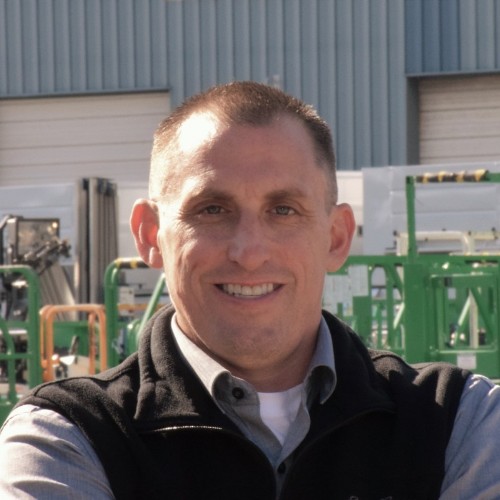
Few have seen this shift as closely as Andy Sunday. As Director of Sales for Facilities Maintenance at Sunbelt Rentals, Sunday has spent more than two decades working with non-construction customers as their needs have evolved beyond traditional ownership models. His career progression offers a firsthand view into why reliability, flexibility, and access are increasingly outweighing the perceived benefits of owning equipment outright.
"Facilities teams are realizing that owning equipment isn’t always the most cost-effective or reliable option, especially when it sits unused most of the year and still carries maintenance, storage, and downtime risks," says Sunday. But the risk extends beyond cost. Assets that fall out of regular use often fall out of regular maintenance, creating hidden operational and safety liabilities. That reality is pushing many leaders to reconsider what an effective facility strategy looks like today.
Dusty and dangerous: "We see owned equipment sitting off to the side, unused and neglected. In some cases, it’s no longer functional from a mechanical or safety standpoint. When there’s no plan to maintain an asset, that neglect introduces major unforeseen costs and risks," Sunday explains. This dynamic is accelerating a shift toward renting, which gives teams the flexibility to meet rising demands while keeping assets maintained, compliant, and ready when needed.
Plan for the break: The strategy starts with a clear-eyed reality check: equipment failure is inevitable, and the real risk is being unprepared when it happens. That recognition pushes rental from a backup option into a core part of operational planning, reducing dependence on single assets and protecting continuity when uptime matters most. Sunday says rental works because it assumes things will break and plans accordingly. "Rental gives teams a dependable alternative when continuity really matters, because it removes the single point of failure that ownership creates," he explains.
Generating capital: For high-capital assets such as generators, rental enables a flexible, portfolio-wide approach that moves beyond one-to-one ownership. The model helps organizations maintain business continuity across multi-site environments without the burden of capital-intensive assets. Sunday points to generator coverage as a clear example. In portfolios with dozens of buildings, installing permanent generators at every site quickly multiplies capital costs. "Rental models give teams a way to respond quickly without locking capital into under-utilized assets," Sunday says.
As part of a broader market shift, organizations are increasingly looking for partners that can provide a wide range of solutions backed by formal service-level commitments. This preference is creating growth opportunities for providers that can deliver at scale and consistently outperform the market. To improve efficiency, large customers are reducing the number of vendors they use. They want partners that offer more services and make things more efficient, minimizing the need to manage multiple invoices and relationships.
That shift is now playing out on two fronts. Rental adoption continues to expand as FM and MRO teams confront rising costs, equipment downtime, and the hidden risks of under-utilized assets. More significantly, rental is being applied proactively as part of a broader facilities strategy, one that reflects the growing overlap between operations, technology, and the employee environment.
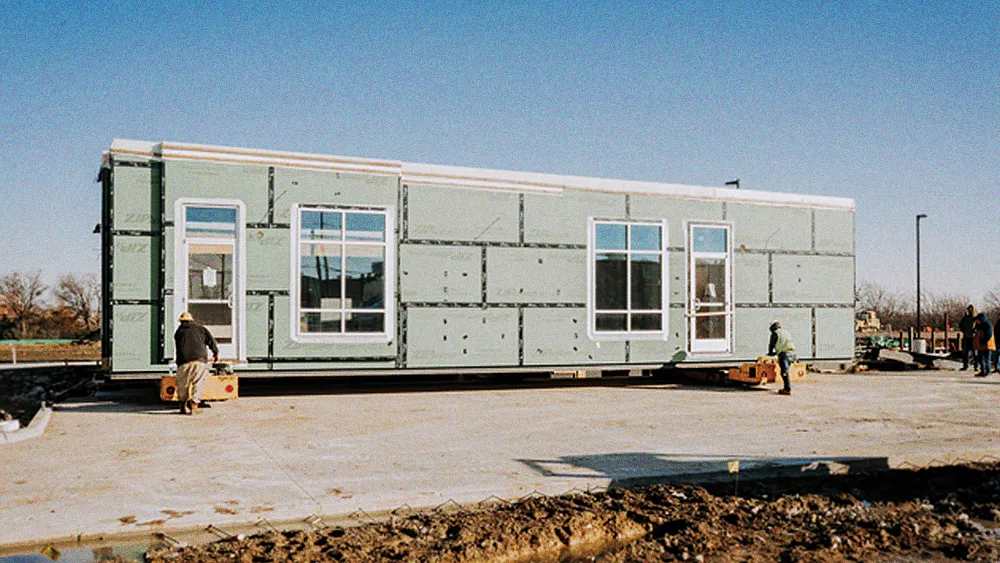
In its most advanced use cases, rental enables facilities teams to adapt and upgrade spaces quickly, transforming warehouses and other under-utilized areas into functional, conditioned work environments without long-term capital commitments. "The growth we’re seeing is really focused on the expansion of products that weren’t traditionally in the rental market, and on using rental to make quick and cost-effective upgrades to spaces that were never intended to support today’s work," Sunday concludes.