
All articles
Lifecycle Data Strategy Strengthens Uptime Across Modern and Legacy Buildings
Cibele Verasto, Senior Workplace Leader at Databricks, explains how to build a data-driven business case for proactive maintenance, protect uptime, and make facilities a core part of your talent retention and business continuity strategy.
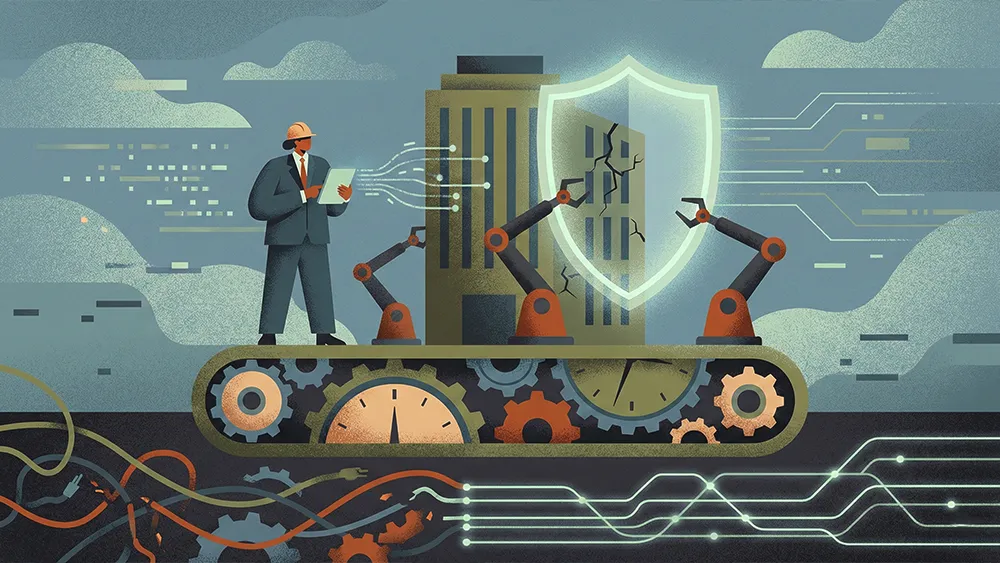

By using technology like AI and digital tools to monitor the lifecycle of equipment, we can prevent failures, predict corrective maintenance, and recommend the proper replacement before it causes a business disruption.

Facilities management is no longer just about fixing what breaks. It's now a core function for protecting uptime and business continuity. But that strategic push runs up against a familiar challenge: aging infrastructure and persistent budget constraints.
Cibele Verasto, Senior Workplace Leader at Databricks, is a senior facilities and workplace authority with a pragmatic approach to this new reality. A Certified Facilities Manager, Facility Management Professional, and recognized as a Top Global FM Influencer by IFMA, Verasto has over 18 years of experience leading teams for companies like JLL and Newmark. Verasto says the industry is moving on from its reactive past. But to do so effectively, it needs to embody a three-part strategy that uses the tools and technologies now available to enable predictive maintenance.
"By using technology like AI and digital tools to monitor the lifecycle of equipment, we can prevent failures, predict corrective maintenance, and recommend the proper replacement before it causes a business disruption," says Verasto. That shift turns facilities from a cost center into an early warning system. Real-time lifecycle visibility allows teams to move from emergency repairs to planned interventions, protecting uptime while giving leadership clear data to justify capital decisions before failure forces their hand.
Plan for failure: “It is important to have backup equipment for redundant systems, especially for fire, life, and safety. That redundant equipment requires daily and monthly maintenance to prevent any operational disruption," Verasto explains, adding that no operation is 100% safe from failure. To combat that, she says an operating ERP is essential. “With a proper plan, employees know how to react, and the technical team has a standardized process to resolve the issue quickly and efficiently.”
But this proactive strategy runs into a fundamental obstacle: the buildings themselves. Verasto says the problem is compounded by a common gap in long-term planning, as responsibility often falls to building landlords who simply don't have the data. Understanding the current state of maintenance is key to grasping the scale of the issue.
New buildings, old problems: Verasto says that the risk profile changes greatly depending on the location of the office. “Here in downtown São Paulo, we have brand new, certified buildings, but we also have old ones. Those older buildings often haven't had the proper maintenance or been adapted with the new technologies required to avoid failures.”
The data void: “In most of the operations I have managed, they don't have a proper lifecycle program. It's a complex issue because it requires several details from the landlord that, most of the time, are simply missing.” Without accurate asset histories, maintenance records, and upgrade timelines, facilities teams are forced to operate on assumptions. That lack of visibility makes it nearly impossible to forecast risk, prioritize investments, or build a credible case for proactive replacement.
An expensive reality: "I’ve seen equipment reported at the end of its life, but it isn't replaced because of the high cost. I had a client with 30-year-old equipment who wouldn't make the proper investment, and the operation continued to face disruptions as a result," Verasto recalls.
So how do you get leadership to move past the initial sticker shock? Verasto's approach starts not with numbers, but with perception, turning the conversation toward value creation before making a data-driven case for uptime. "In the past, the perception was that facilities is a department that only spends money without showing results. That's not true anymore. Today, we can show the results," she says. "It's about retaining talent. If you have a good environment and a good workplace, you retain more people, and they will stay longer in the company." But to communicate that value, Verasto says, you need to show leadership the cost of the investment vs. the potential loss from a business disruption. "You can say, 'If we lose this equipment, here is the operational impact. With the new equipment, here is the investment and the payback analysis.'"
For leaders who feel stuck in a reactive rut, Verasto’s final advice is to start with the fundamentals to build long-term business resilience. “Start by listing all the assets you have and creating a lifecycle program." Verasto says that this is the most important step, but is often overlooked. “When it's not possible to replace equipment due to budget restrictions, a good technical team is essential. Their role is to minimize risk by using spare parts and interim solutions until the proper budget is available for the necessary changes. Resilience is very important, and having a good technical team to make it possible is even more so.”