
All articles
Kroger Agrees To $2.5M Fine And $100M Equipment Overhaul Over Refrigerant Leaks Spanning Nearly A Decade
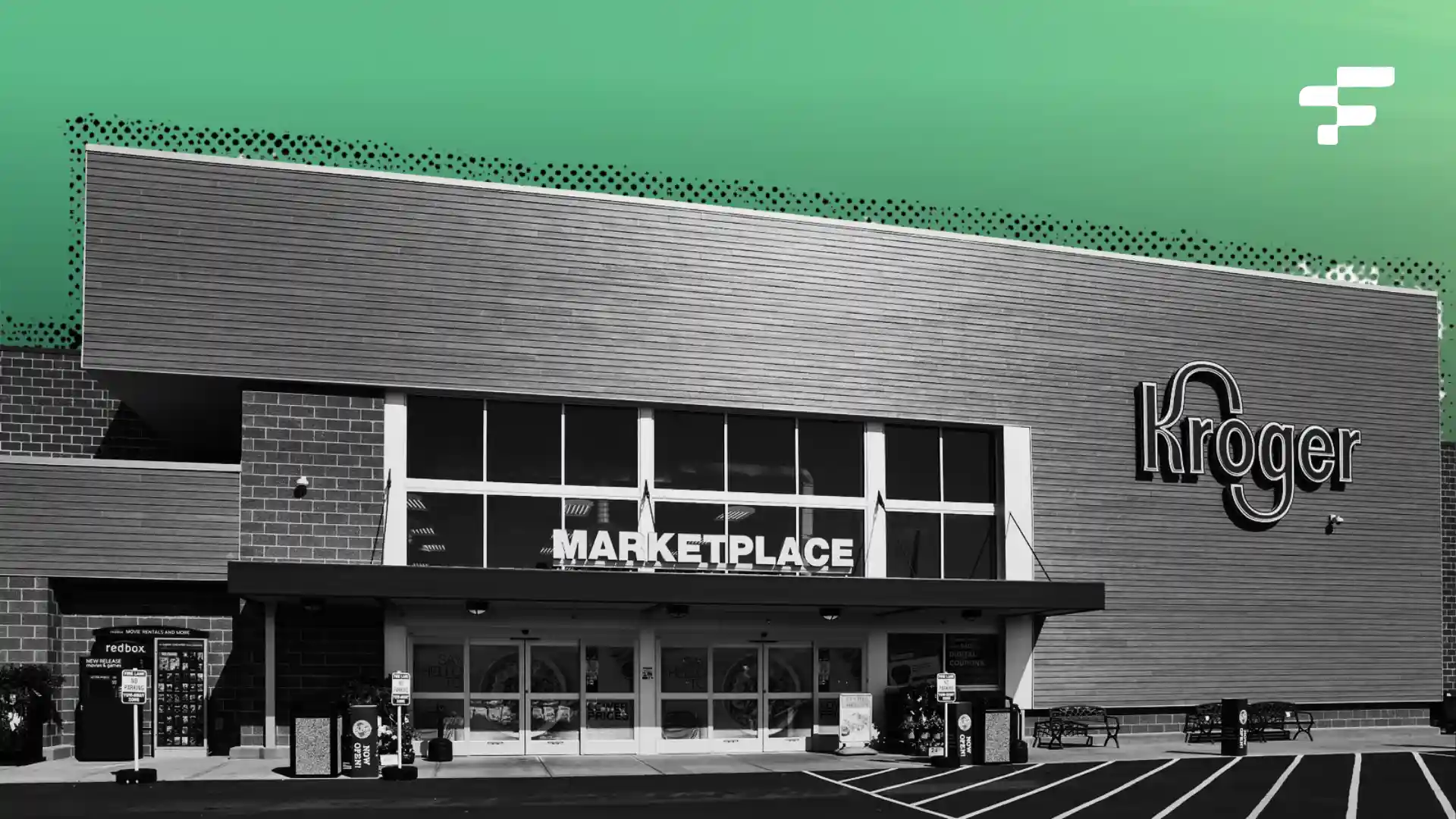


A proposed consent decree filed by federal agencies in late April would require the grocery giant to pay a $2.5 million civil penalty and overhaul 600 refrigeration units, though a federal court must still sign off before the agreement takes effect.
Kroger has agreed to pay a $2.5 million civil penalty and spend an estimated $100 million retrofitting or replacing 600 refrigeration units across its stores, under a proposed settlement filed jointly by the U.S. Department of Justice and the Environmental Protection Agency. The agreement, announced April 29, is pending approval from a federal district court in Ohio. Until that approval comes through, the terms are not yet final.
What the EPA found: The agency first opened an inquiry into Kroger's refrigerant practices in 2018, with a follow-up review in 2019. According to the DOJ complaint filed alongside the proposed settlement, Kroger failed to meet retrofit or replacement requirements (under both the pre-2019 leakage threshold of 35% and the stricter 20% standard that replaced it) across a combined 22 commercial refrigeration appliances and industrial process refrigeration units. The refrigerant in question is R-22, a hydrochlorofluorocarbon (HCFC) that manufacturers stopped producing in 2020. The company also failed to meet recordkeeping and reporting requirements on 17 appliances, the EPA says. The violations, as described in the complaint, span the period from 2014 through 2023.
The numbers behind the fine: Under EPA rules, violations of this type carry a maximum liability of $124,426 per violation per day. This is a figure the DOJ cited explicitly in its complaint when describing Kroger's exposure. The $2.5 million civil penalty reflects a negotiated settlement rather than full theoretical liability. The larger cost comes from the required equipment work: the proposed terms call for Kroger to retrofit or replace 600 large commercial refrigeration systems, prioritizing units with the highest leak rates, with at least 175 conversions completed by the end of 2026 and 350 by December 31, 2027.
What else the settlement would require: Beyond the equipment work, Kroger would be required to implement a refrigerant management system across its operations and maintain a company-wide average leak rate at or below 9.5% per year. According to a 2024 emissions scorecard published by the Environmental Investigation Agency, Kroger's reported leak rate at the time was 10.6%, which is above that proposed threshold. The EIA gave Kroger an overall refrigerant management score of 37%, placing it in the middle of the industry: above Southeastern Grocers, which ranked last at 1%, but well below Aldi, which led the field at 74%.
Scale of the operation: Kroger is the second-largest supermarket chain in the United States by revenue, operating more than 2,000 stores under roughly two dozen banners including Harris Teeter, Ralphs, Smith's, and Fred Meyer. The EPA's inquiry began in 2018, meaning the company operated under active federal scrutiny for approximately five years before the settlement was publicly announced.
What the government said: "Compliance with the Clean Air Act protects human health," said Adam Gustafson, DOJ principal deputy assistant attorney general, in a statement announcing the proposed agreement. "Fixing leaks of ozone-depleting refrigerants makes a real difference in protecting all Americans from the harmful effects of solar radiation."
The public comment period on the proposed consent decree closed June 5, 2026. Kroger has not publicly commented on the settlement.
The broader regulatory picture: The Kroger violations predate a significant shift in federal refrigerant rules. The EPA's AIM Act Subsection H, which took effect January 1, 2026, lowered the compliance threshold for HFC refrigerant systems from 50 pounds to 15 pounds, substantially expanding the universe of commercial appliances subject to the same leak repair, retrofit, and recordkeeping requirements at issue in the Kroger case. The penalty structure under AIM Act (up to ~$60,000 per violation per day) runs parallel to the Clean Air Act framework that generated Kroger's current exposure.
WHY IT MATTERS FOR FM: The Kroger case is a $102.5M lesson in what happens when refrigerant compliance lives in a silo. The violations span 2014–2023 (nearly a decade) and the core failures weren't just leak rates, they were recordkeeping and reporting gaps across 17 appliances, which points to a larger data capture and visibility issue. And it's harder than it looks: achieving thorough, audit-ready refrigerant visibility evades most in-house, bolt-on systems, even when they're wired into everything else. For FM leaders managing hundreds or thousands of locations, the risk isn't that you don't care about compliance — it's that your work order system, your compliance team, and your equipment data aren't capturing and exchanging the right data points in real time. This makes it particularly challenging to systematically maintain all of the many data fields included in the EPA’s strict recordkeeping requirements. The EPA's new AIM Act threshold (effective January 1, 2026) just lowered the trigger from 50 lbs to 15 lbs, pulling thousands more commercial appliances into mandatory leak-repair and recordkeeping territory. If you can't surface leak rate trends by unit, by store, and by refrigerant type on demand and route remediation work automatically, you are exposed. The question to ask your team this week: if the EPA sent us an inquiry today, how quickly could we pull a complete compliance history for every refrigeration unit in our portfolio?
Sources: U.S. Department of Justice; U.S. Environmental Protection Agency; Environmental Investigation Agency 2024 Supermarket Scorecard