
All articles
5,500 Store Openings Are Planned for 2026, but the Facilities Teams Behind Them Are Already Stretched
U.S. retailers will open approximately 5,500 new stores in 2026. Dollar General, Aldi, Tractor Supply, and Sprouts are leading the buildout — but the facilities teams responsible for commissioning, maintaining, and integrating these locations face a capacity challenge that expansion headlines consistently overlook.
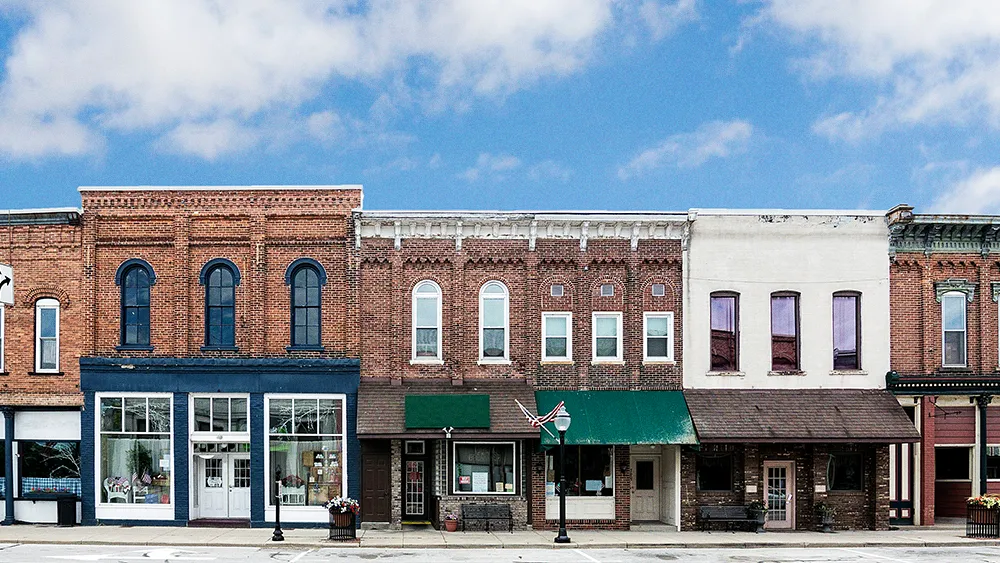


U.S. retailers will open approximately 5,500 new stores in 2026, a nearly 5% increase over 2025, according to an analysis by Coresight Research.
The numbers, read separately, are expansion stories. Read together, they describe an operational buildout that most industry coverage overlooks entirely, because the people who have to make these openings work are not the people giving earnings call quotes.
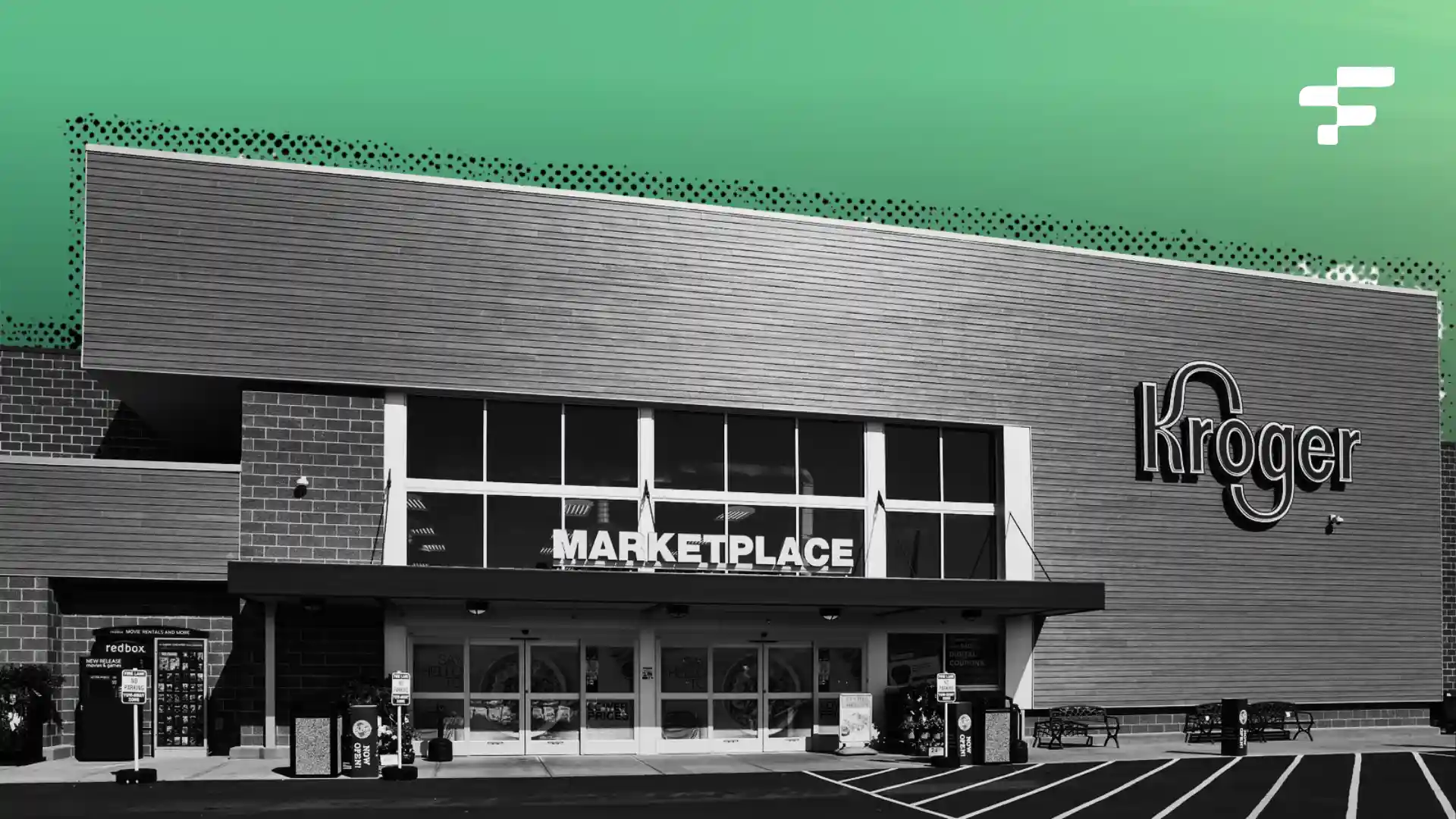
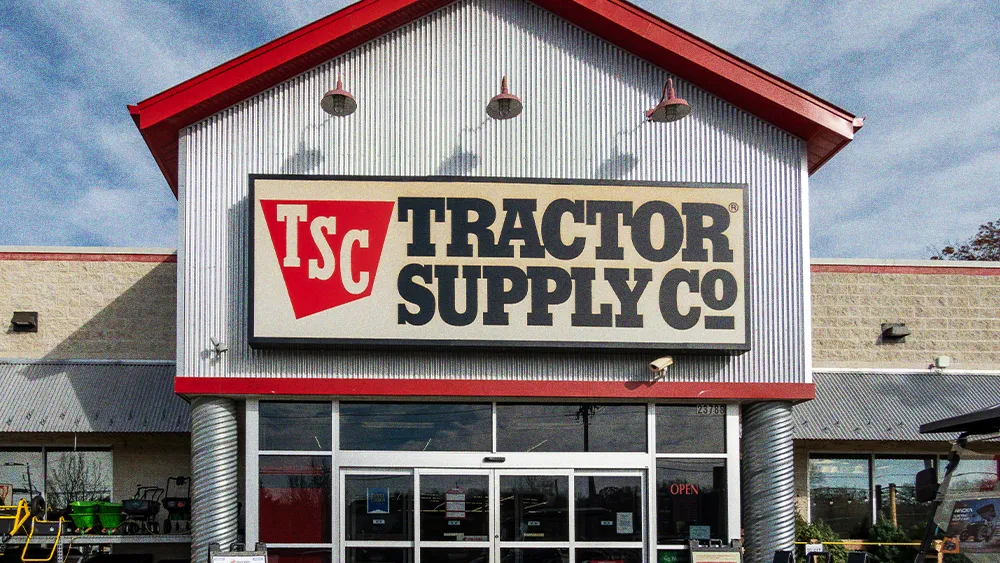
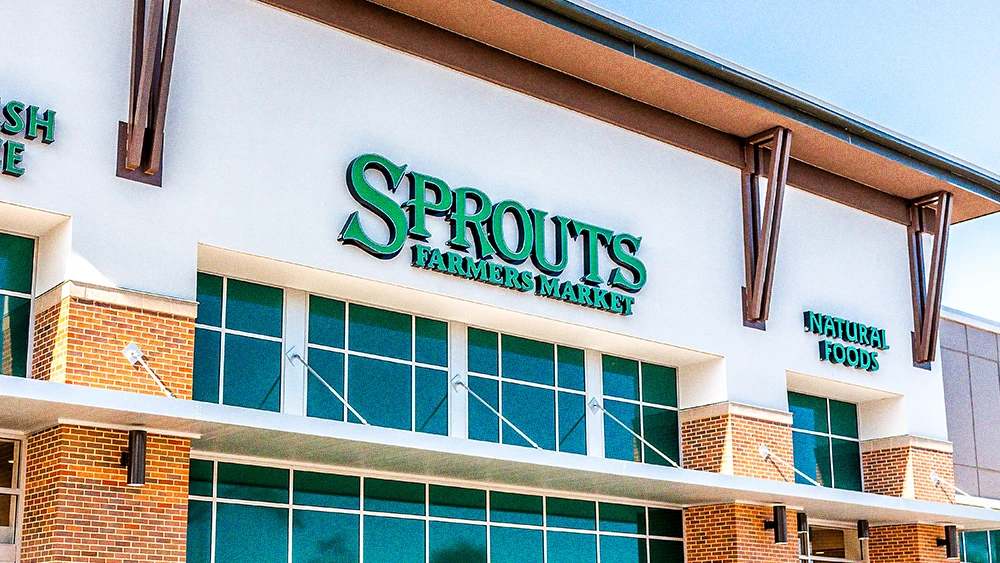
Hundreds of openings from the biggest names: Dollar General leads with 450 planned locations in a continuation of the value retailer's aggressive buildout when the company announced nearly 5,000 real estate projects in 2025. Aldi is opening more than 180 across 31 states, backed by a $9 billion investment through 2028. Tractor Supply will add 100 stores after hitting its 2,400th location in January, Sprouts Farmers Market has a pipeline of 140 approved locations and plans to open more than 40 this year, and the March 2026 Store Tracker Extra from Coresight confirmed that total opened retail space in 2026 has already exceeded 50 million square feet.
Every new store triggers a facilities checklist. HVAC commissioning, asset tagging and warranty registration, vendor onboarding and credentialing, preventive maintenance schedule creation, landlord coordination on shared-wall obligations, and integration into the broader maintenance portfolio. Multiply that by 180 locations in 31 states for Aldi, or 450 for Dollar General, and the picture becomes clearer: these expansion plans assume facilities capacity that may not exist at the required scale.
For Aldi specifically, the buildout extends well beyond storefronts. The grocer is simultaneously converting close to 80 former Southeastern Grocers locations — including former Winn-Dixie and Harvey Supermarket stores — to its format. Conversions carry their own facilities burden: inherited equipment of unknown condition, deferred maintenance from the prior operator, and building systems that were designed for a different retailer's operational profile. Converting a Winn-Dixie to an Aldi means adapting HVAC loads, reconfiguring refrigeration, and reconciling electrical systems with the new tenant's specifications. It's work that requires boots on the ground in markets where Aldi may have limited vendor relationships.
The distribution infrastructure buildout: Aldi plans to open three new distribution centers and is expanding an existing facility Florida, to add refrigerated capacity for perishable goods, as Grocery Dive reported. Each distribution center represents a cold-chain logistics facility with specialized HVAC, fire suppression, ammonia or CO2 refrigeration systems, and maintenance requirements that dwarf a standard retail location. Sprouts Farmers Market is on a parallel track, completing the transition to self-distribution for fresh meat and seafood, according to Grocery Dive, at four existing distribution centers, with a new Northern California facility expected by mid-2026.
Strip mall construction: John Mercer, head of global research at Coresight, noted that new construction of strip malls remains sluggish due to higher labor costs and elevated interest rates. Retailers are not only competing for space with their closest peers, he told CNBC that they are vying for square footage in the same centers as expanding food-and-beverage concepts like Raising Cane's, Pilates and fitness studios, and urgent care clinics. That mix creates shared-wall adjacency issues, landlord coordination complexity, and maintenance interdependencies that single-tenant freestanding buildings avoid entirely.
The role of the store is changing alongside the footprint. Mercer observed that as retailers adopt AI shopping tools, the question of what a physical store can offer that a digital channel cannot is becoming urgent. Convenience, immediacy, brand experience, and community presence all depend on facility condition. A store positioned as a brand-building destination cannot function as one if the HVAC is cycling improperly, the lighting bays are inconsistent, or the parking lot is deteriorating. The higher the experiential bar retailers set for their new locations, the more consequential the facilities maintenance program becomes.
The expansion wave of 2026 is real, it is large, and it is creating a capacity test for every facilities team behind the brands making headlines. The stores will open. The operational infrastructure to maintain them at standard across hundreds of locations, in new markets, with constrained labor is the longer and harder question.