

All articles
Multi-Site Operators and Capital Planners Feel the Squeeze as Tariffs Push HVAC Costs Up 15–30%
HVAC equipment prices have risen 15-30% since mid-2025 due to layered tariffs, with pre-tariff inventory exhausted industry-wide. Compounded by efficiency mandates and a refrigerant transition, the cost increase is reshaping repair-versus-replace decisions and capital planning for every multi-site operator.
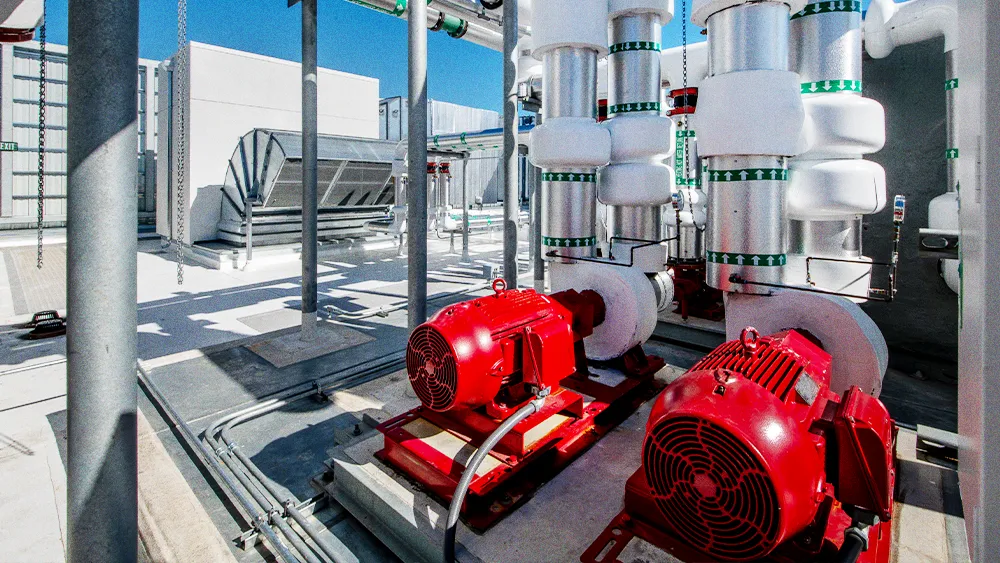


HVAC equipment prices across the U.S. have risen between 15% and 30% since mid-2025, driven by layered tariffs on steel, aluminum, and imported components from China (145%), Mexico (25%), Vietnam (nearly 50%), Japan (24%), and Thailand (36%). Lennox announced price increases of up to 10% on residential equipment and accessories effective February 16, 2026. Pre-tariff inventory has been exhausted industry-wide, according to multiple contractor and distributor reports, meaning every unit purchased today carries the full tariff-adjusted cost.
The impact extends beyond sticker prices. The Section 232 tariff expansion to cover commercial appliances, reported on when duties went into effect in August 2025, added further cost pressure to an already strained procurement environment. A simultaneous refrigerant transition from R-410A to lower-GWP A2L alternatives such as R-454B and R-32 is requiring re-engineered cabinets, coils, controls, and mandatory Refrigerant Detection Systems, adding engineering complexity and regulatory overhead to every new unit.
Compounding tariff exposure: A heat pump assembled in Mexico using Chinese-sourced components can face tariffs stacked twice: once on the Chinese parts (up to 145%) and again on the finished unit at the border (25%). No major manufacturer is fully insulated. Carrier, Daikin, Lennox, Trane, and Rheem all source components globally. As ACHR News reported, the U.S. imported more than $10 billion in HVACR and commercial refrigeration equipment from Mexico alone last year, with another $5 billion from China and $1.5 billion from Thailand.
Efficiency standards have independently raised the floor. The Department of Energy's updated minimum efficiency requirements mean that even a basic system in 2026 is more advanced than a mid-tier system from 2020. The SEER2 testing methodology is stricter than its predecessor, and the entry-level efficiency threshold has moved up. According to AC Direct, a system that cost $7,000 installed in 2020 could realistically cost $10,000 to $14,000 today for comparable quality, depending on region and installer, before considering tariff-specific surcharges on imported components.
The pricing strategy question at the manufacturer level has direct implications for procurement. ACHR News reported that high-end HVAC products are generally manufactured in the U.S., while builder-grade and good-tier products are made in foreign countries. If manufacturers increase prices only on tariffed units (SKU by SKU), the price differential between premium and entry-level options narrows, potentially making it economically rational for facilities teams to trade up to higher-efficiency domestic units rather than trade down to tariff-burdened imports. If the increase is flat across the board, the trade-down becomes more likely, and facilities teams end up paying more for the same equipment class they would have purchased at lower cost a year ago.
Switching suppliers offers limited short-term relief. Replacing a Chinese compressor source with a domestic alternative requires six to 12 months of testing, certification, and production integration, according to UniColorado's analysis. The transition period produces longer lead times for completed units, which adds scheduling delays for facilities teams already managing compressed maintenance windows during peak cooling and heating seasons.
The repair-versus-replace shift: When replacement costs rise 20%, extending the operational life of existing equipment through better preventive maintenance becomes more financially attractive, but only if the facilities team has the asset data to make informed decisions. Knowing which rooftop units are two years from projected end-of-life versus which ones have five years of useful service remaining is the difference between strategic capital planning and reactive procurement at the worst possible price point. The U.S. Department of Commerce data cited by Grapids Home Services estimates that nearly 30% of HVAC parts are sourced globally, meaning even repairs, not just replacements, carry tariff exposure on components.
The tariff environment is fluid. Rates could shift with ongoing trade negotiations. But the structural cost increase is already embedded in the supply chain, and the compounding effect of tariffs plus efficiency mandates plus the refrigerant transition means that HVAC-related capital expenditures across a multi-site portfolio will be materially higher in 2026 and 2027 than at any point in the prior decade.